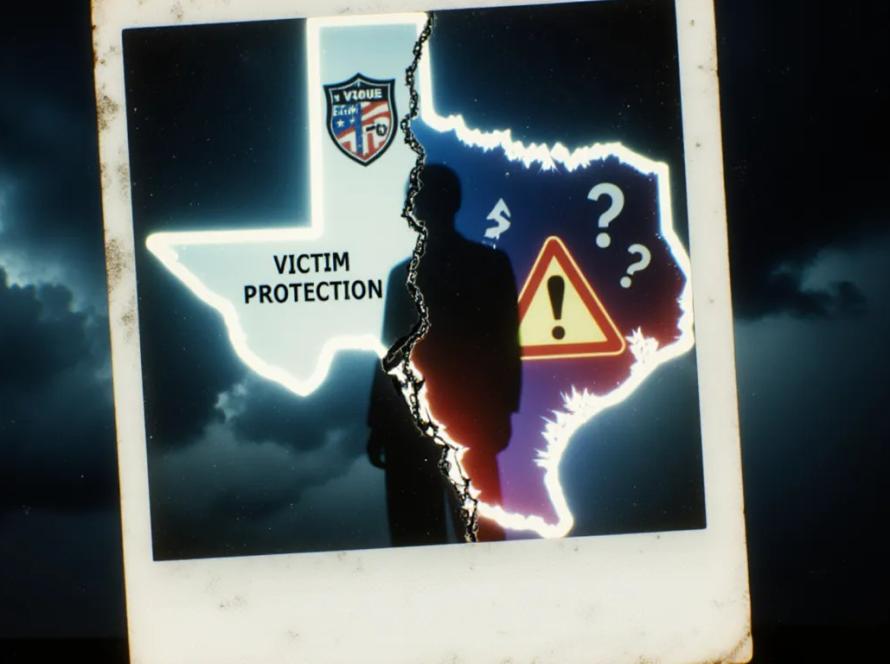
The Debate Over Adult Reading Materials in Texas Public Schools
Across Texas, a heated debate is unfolding in school districts, state legislatures, and living rooms alike: Should adult-themed reading materials be removed from public school libraries—or does doing so cross the line into censorship?
At the heart of the issue is a question far more complex than it first appears. Is the state protecting children, or is it asserting control over ideas, information, and parental choice?
The Case for “Protection”
Supporters of removing certain books from public schools argue that children deserve age-appropriate environments—especially in institutions funded by taxpayers. Their position isn’t necessarily anti-literature; it’s about boundaries.
Many parents are concerned that:
- Some materials contain explicit sexual content or mature themes
- Public schools serve children from diverse cultural and moral backgrounds
- Parents should not have to “opt out” after exposure has already occurred
From this perspective, the issue isn’t banning books from society—it’s limiting access within compulsory education settings. Proponents argue that public schools are not neutral spaces; they are government-run institutions with a responsibility to err on the side of caution when minors are involved.
The Case for “Censorship”
On the other side, critics warn that removing books—even selectively—creates a dangerous precedent.
Their concerns include:
- Who decides what qualifies as “adult” or “inappropriate”?
- The risk of politically motivated decisions masquerading as child protection
- The erosion of intellectual freedom and critical thinking
For many, this debate isn’t about explicit content—it’s about state power. Once a government entity claims authority over which ideas are acceptable, opponents argue, it opens the door to broader suppression, especially of unpopular or dissenting viewpoints.
The Gray Area No One Wants to Talk About
What often gets lost in the shouting match is the middle ground—where most parents actually live.
Few people believe elementary students should have unrestricted access to adult material. At the same time, many are uneasy with blanket removals, vague standards, or centralized decision-making that overrides local communities.
The real tension isn’t books versus kids.
It’s control versus choice.
Should:
- Parents have more direct oversight?
- Schools implement clearer age-based classifications?
- Communities decide locally rather than through state mandates?
These questions don’t have easy answers—but avoiding them only deepens polarization.
Public Schools and the Role of the State
Public schools occupy a unique space. Attendance is compulsory. Funding is public. Policies affect millions of families who don’t share the same values.
This makes one thing clear: decisions about access to material carry real weight.
Whether framed as protection or censorship, removing books is an exercise of power. The critical issue is not whether power exists—but how it’s constrained, who holds it, and how accountable it is to parents and communities.
A Conversation Worth Having
Reducing this debate to slogans—“save the children” versus “stop the bans”—doesn’t serve anyone. Children deserve safety. Families deserve autonomy. And a free society depends on transparency, restraint, and honest dialogue.
The question Texas must answer isn’t simply:
“Should these books be in schools?”
It’s:
“Who should decide—and how far should that authority go?”
That answer will shape not just school libraries, but the future relationship between parents, communities, and the institutions meant to serve them.